



A tray of chicken thighs, onions, and broccoli in a 425°F oven smells like somebody spent all afternoon cooking when, in truth, the whole thing is mostly heat management and decent seasoning. That’s why roasted chicken weeknight dinners keep showing up on my own table: they give you browned edges, juicy meat, and a pan that can hold half the meal without turning into a project.
The mistake people make is treating chicken like a blank protein. It isn’t. Breast meat, thigh meat, drumsticks, and even the vegetables around them all behave differently in the oven, and the gap between “fine” and “why is this dry?” often comes down to 10 minutes or a quarter-inch of vegetable size.
Once you start thinking in those terms, dinner gets calmer. Use the cut that matches your clock, give the pan some space, season earlier than feels necessary, and finish with something sharp or salty — a squeeze of lemon, a spoon of mustard, a vinegary salad — so the whole plate tastes awake. The first section below is the part most people skip, and it’s the one that saves the rest of the night.
Why Oven-Roasted Chicken Still Wins on Busy Nights
Roast chicken has survived long enough to become a cliché for a reason. It fills the kitchen with that sweet, savory smell that comes from rendered fat hitting a hot pan, and it gives you a real dinner without requiring you to stand over a skillet and babysit every piece. A good roast also has texture in a way stovetop chicken often doesn’t: the skin goes bronzy and crackly at the edges, the onions soften into something jammy, and the drippings collect in the corners like built-in sauce.
The weeknight version is a little less ceremonial than the Sunday bird. That’s the point. Most nights, you do not need a whole chicken trussed like a package from a holiday spread. You need a cut that cooks in 20 to 40 minutes, a vegetable that can share the pan, and a finish that makes the plate feel complete. Bone-in thighs do that beautifully. Boneless thighs do it faster. Split breasts can work too, but they ask for more attention.
There’s also a practical reason this method hangs around in so many kitchens: it scales without drama. Two people? Use a small sheet pan. Four hungry people? Use two pans or roast the chicken on one and the vegetables on another. Leftovers become wraps, rice bowls, or chopped salad topping without much effort. That kind of flexibility matters on a Tuesday when the idea of starting a second recipe is enough to make everyone start looking for cereal.
- One pan can carry the meal: Chicken, carrots, potatoes, and onions can roast together if you cut them to the same general pace.
- The oven keeps your hands free: While the chicken roasts, you can toss a salad, boil rice, or do nothing for 20 minutes. Honestly, sometimes that’s the better choice.
- Dark meat gives you breathing room: Thighs stay juicy even if you leave them in a few minutes too long, which is not a small thing when dinner has to wait for homework or a late bus.
- Leftovers work hard: Sliced roast chicken holds up in grain bowls, sandwiches, noodle soups, and quesadillas.
- The flavor gets better with simple finishing touches: Lemon juice, herbs, yogurt sauce, or a spoonful of pan juices can make the same tray taste completely different.
Choosing the Cut That Matches Your Clock
The cut you choose changes everything. A chicken breast and a chicken thigh are not interchangeable, no matter how often recipes pretend they are. They carry different amounts of fat, different amounts of connective tissue, and different levels of forgiveness, and those differences decide whether your dinner comes out plush or chalky.
Fastest Path: Boneless Thighs and Cutlets
Boneless, skinless thighs are the most forgiving weeknight option I know. They roast quickly, usually in the 18- to 25-minute range at 425°F, and they stay juicy even if you lose track of them for a few minutes. If your family likes browned edges and a deeper chicken flavor, this is the cut I’d reach for first.
Boneless, skinless breasts are faster still if you pound them to an even thickness or slice them into cutlets. Left whole, thick breasts can dry out before the center is done; flattened, they behave much better. The tradeoff is texture. Breasts are milder and leaner, which means they benefit from bold seasoning or sauce more than thighs do.
Best Value: Bone-In Thighs and Drumsticks
Bone-in thighs are the sleeper hit of the weeknight dinner world. They roast in 30 to 40 minutes, they’re cheap enough to keep in regular rotation, and they taste like actual roasted chicken, not just seasoned poultry. Drumsticks are in the same family, though they take a little longer and benefit from a more generous coating of oil or spice rub so the skin can brown properly.
These cuts are especially useful when you want the oven to do the work while you handle sides. The bone slows the cook just enough to give you a wide landing zone, which is a nice way of saying they’re hard to ruin.
Use a Whole Chicken Only When You Can Spatchcock It
A full bird is lovely, but for weeknights I prefer it spatchcocked — backbone removed and the chicken flattened so the breast and thighs cook at nearly the same speed. Without that step, a whole chicken asks too much of a busy evening. With it, you can get roast chicken on the table in under an hour, and the skin browns more evenly because more of it faces the heat.
If you like the feel of carving at the table, this is the version to use. If you want dinner to finish without a negotiation, use thighs.
Building a Sheet Pan That Cooks Evenly
A crowded pan is where good intentions go to die. Chicken needs hot air around it, not a steam bath under its own juices, and vegetables need enough space to brown instead of just slump and soften. If you remember only one thing about tray cooking, remember this: space is flavor.
Start with a rimmed sheet pan rather than a shallow baking tray. The rim catches drippings, which means you do not end up cleaning baked-on fat from the oven floor. Parchment paper makes cleanup easier, but if you’re chasing deep browning on potatoes or skin, a lightly oiled metal pan usually does a better job. Foil works in a pinch, though it can create hot spots and won’t give you the same dry, crisp surface.
Give the Chicken Room
Chicken pieces should sit in a single layer with visible gaps between them. If they touch shoulder to shoulder, the edges stay pale and the skin turns rubbery. I’d rather use two pans than cram everything onto one. That’s not perfectionism. That’s physics.
If you’re roasting bone-in pieces, set them skin-side up and leave the chicken alone once it goes in the oven. Pulling, flipping, and poking slows browning and lets heat escape. If you’re using boneless thighs or breasts, a little more turning is fine, but even there, repeated fussing usually causes more harm than help.
Match Vegetable Size to Cooking Time
Vegetables need to be cut with the oven in mind. Potatoes want to be about 1-inch chunks if they’re going on the pan raw. Carrots like half-inch diagonal slices or batons that are thick enough not to shrivel. Broccoli and cauliflower should be broken into 2-inch florets so the stems don’t burn before the tops brown.
Hard vegetables can start with the chicken. Softer vegetables often need a head start or a late entrance. That’s the whole trick, and it’s worth remembering because it keeps you from serving burnt broccoli beside underdone potatoes. The oven is not being difficult; it’s just doing what different ingredients ask of it.
When a Rack Helps
A wire rack set inside the sheet pan can be useful if you want the chicken skin to crisp on all sides, especially with bone-in pieces. It lifts the meat above the fat, which reduces sogginess under the chicken. The downside is that vegetables don’t work as well on a rack, so this setup is best when you’re roasting chicken separately or using a second pan for the sides.
Seasoning Chicken So the Flavor Reaches the Bone
Salt is the real starting point here, and I mean actual salt, not a dusting of wishful thinking. Chicken tastes bland when the seasoning sits only on the skin. It tastes like dinner when the salt reaches the meat itself, and that happens best when you season ahead of time and give the salt a chance to do its work.
For a weeknight roast, I like a simple backbone of kosher salt, black pepper, garlic powder, and either paprika or dried thyme. That combination handles a lot of moods. Add lemon zest if you want brightness. Add rosemary if you want a more woodsy, old-school roast flavor. Add a little onion powder if you want the seasoning to taste fuller without getting fussy.
Salt First, Spices Second
Salting the chicken 30 minutes before roasting helps, but a longer dry brine is even better. Leave the pieces uncovered in the fridge for a few hours or overnight and the skin dries out just enough to brown better. That’s one of those steps that sounds optional until you compare the finished skin side by side. The drier piece wins.
Spices can go on right before roasting. If you’re using paprika, keep in mind that it can darken fast at high heat, so it’s better mixed with oil than dusted on in a thick dry layer. Garlic powder behaves well in the oven. Fresh minced garlic can burn on exposed skin, which is why I usually tuck it under the chicken or use it in a sauce instead.
Dry Rubs vs Wet Rubs
A dry rub gives you a crisper surface and cleaner flavor. A wet rub — olive oil, Dijon mustard, yogurt, or a little mayonnaise mixed with spices — clings better and browns the skin in a slightly different way. Mayo sounds odd until you try it on bone-in chicken. The fat helps the seasoning stick, and the protein in the mayo can encourage browning.
For the most reliable weeknight results, I keep a small jar of the same basic spice mix on hand and adjust it with a fresh element at the end. Lemon at the finish. Herbs at the finish. Vinegar at the finish. That final lift matters more than people think.
Aromatics That Hold Up in the Oven
Onions, shallots, garlic cloves in their skins, lemon wedges, and fennel all do well under roast chicken. Whole smashed garlic cloves get sweet and soft. Onion wedges break down into caramelized edges. Lemon quarters roast into something halfway between bright and jammy, which sounds strange until you try it and start putting it on everything.
Fresh herbs are trickier. Rosemary and thyme survive the heat. Parsley and dill usually don’t, so save them for the end. If you want green herbs in the pan, think sturdier ones first, tender ones later.
The Temperature Markers That Keep Chicken Juicy
Color lies. That’s the blunt version. Chicken can look done on the outside and still need more time in the center, or it can look a little pale while the internal temperature is already where you want it. A thermometer takes the guesswork out of that mess, and on weeknights, guesswork is the enemy.
The USDA’s safe benchmark for chicken is 165°F in the thickest part. That number matters, but it’s not the whole story. Thigh meat usually eats better a bit higher, around 175°F to 185°F, because the connective tissue softens and the meat turns richer and more tender. Breast meat is the opposite. Pull it at 160°F to 162°F, let it rest, and it will usually carry over to the safe zone without drying out.
Where to Insert the Thermometer
Put the probe into the thickest part of the meat, not against bone. Bone gives a false reading and can trick you into pulling the chicken too soon. On bone-in thighs, aim between the bone and the skin-side meat. On breasts, slide the thermometer into the deepest part from the side if you can. That gives a cleaner read than stabbing straight down from the top.
If you’re roasting mixed cuts together, this is where separate pans start looking like a good idea. Breasts and thighs do not finish on the same schedule, and trying to make them obey the same timer is a fast way to dry out the breasts or undercook the thighs.
Why Resting Matters
Give the chicken 5 to 10 minutes of rest after it comes out of the oven. During that time, the juices settle back into the meat instead of running all over the cutting board the moment you slice in. The chicken also finishes its last few degrees of carryover heat, which is especially useful for breasts.
Don’t let the rest turn into a long wait. Chicken tastes best warm, not lukewarm. If the side dishes are behind, tent the chicken loosely with foil and keep it away from direct steam.
Don’t Chase Dark Skin at the Expense of the Center
Deep browning is nice, but it is not the goal. Juicy meat is the goal. If the skin gets where you want it before the inside does, turn the heat down a notch or move the pan to a lower rack for the last few minutes. A too-dark exterior with a dry center is a bad trade, and I’d take pale-but-juicy chicken over that every time.
Vegetables That Finish at the Same Time
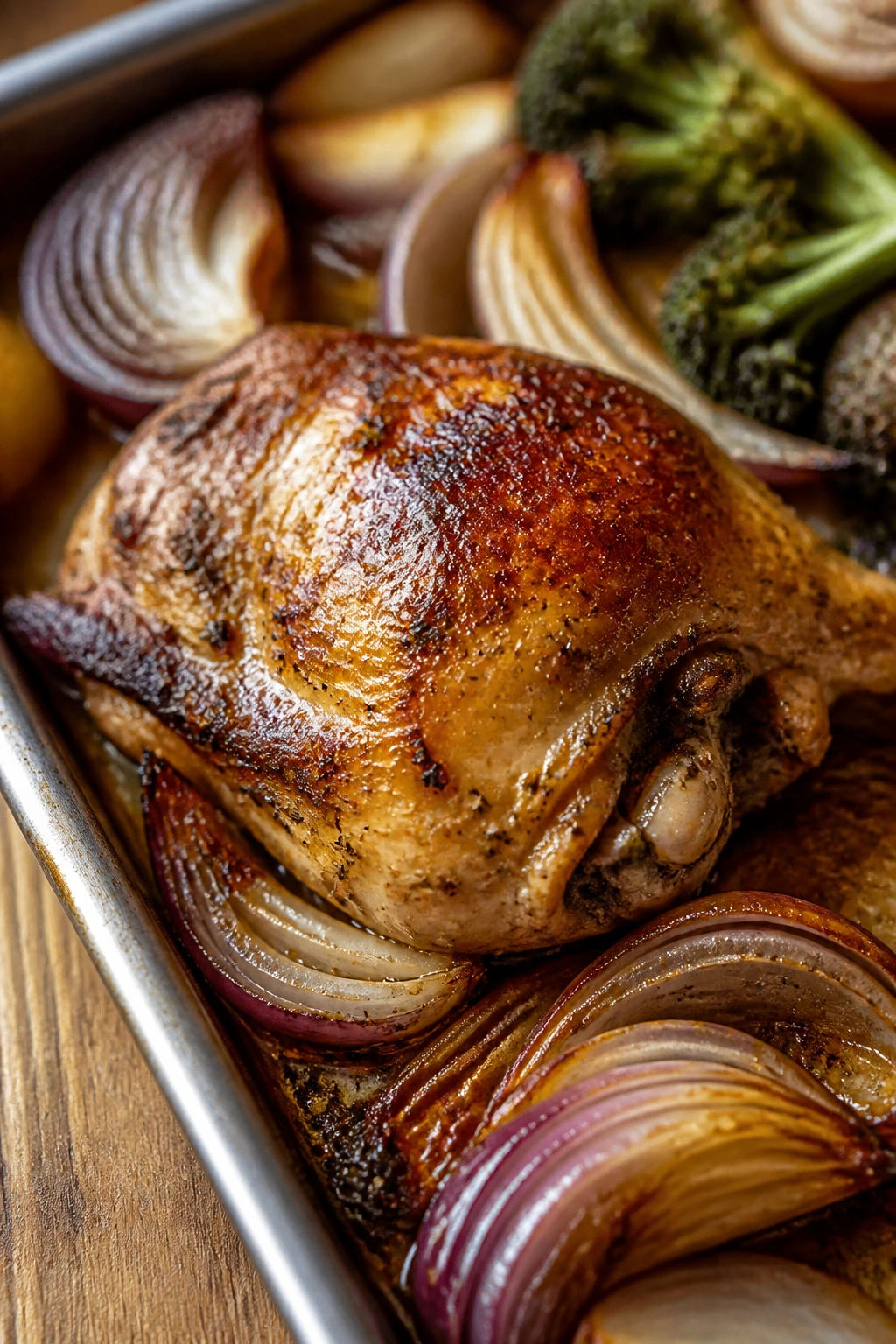
What you make with the chicken matters just as much as the chicken itself. A tray roast works only when the vegetables and protein arrive at the table together, and that means choosing vegetables with a little common sense. Potatoes are not broccoli. Carrots are not zucchini. The oven respects that difference, even if recipes sometimes pretend otherwise.
The Hardest Working Vegetables
Potatoes, carrots, parsnips, sweet potatoes, Brussels sprouts, cauliflower, and fennel can all roast alongside chicken if you cut them well. Potatoes need the most forethought. If they’re going on raw, keep them in one-inch chunks and give them enough oil to actually brown. Brussels sprouts should be halved, cut side down for part of the roast if you want those dark, crisp edges. Cauliflower likes large florets; tiny bits go from browned to burnt faster than you expect.
Onions are almost cheating. They turn sweet and soft without much effort and can sit under or around the chicken, soaking up drippings. I think of them as the built-in sauce of the tray.
The Softer Vegetables Need Timing Help
Broccoli, green beans, asparagus, zucchini, and cherry tomatoes are faster. They can roast with chicken, but usually not from the beginning. Broccoli does well if added about 12 to 15 minutes before the chicken is finished. Asparagus may need only 8 to 10 minutes. Zucchini can turn watery if it sits too long, so I’d add it late or skip it for a weeknight tray unless you like it soft.
Cherry tomatoes are useful because they burst and create their own little pan sauce. Toss them with oil, salt, and maybe a little balsamic, then add them near the end so they wrinkle instead of collapse into nothing.
The One-Pan Timing Rule
Use the longest-cooking vegetable as the anchor. If potatoes need 35 minutes and the chicken needs 25, start the potatoes first and add the chicken later. If you’re making a mixed tray and the pieces are all over the map, don’t force them to behave. Start the dense vegetables, then add the chicken, then finish with the faster vegetables.
That staggered approach is what turns a tray dinner from lucky into repeatable. And repeatable matters more than clever.
Simple Sauces That Turn Roast Chicken Into Dinner
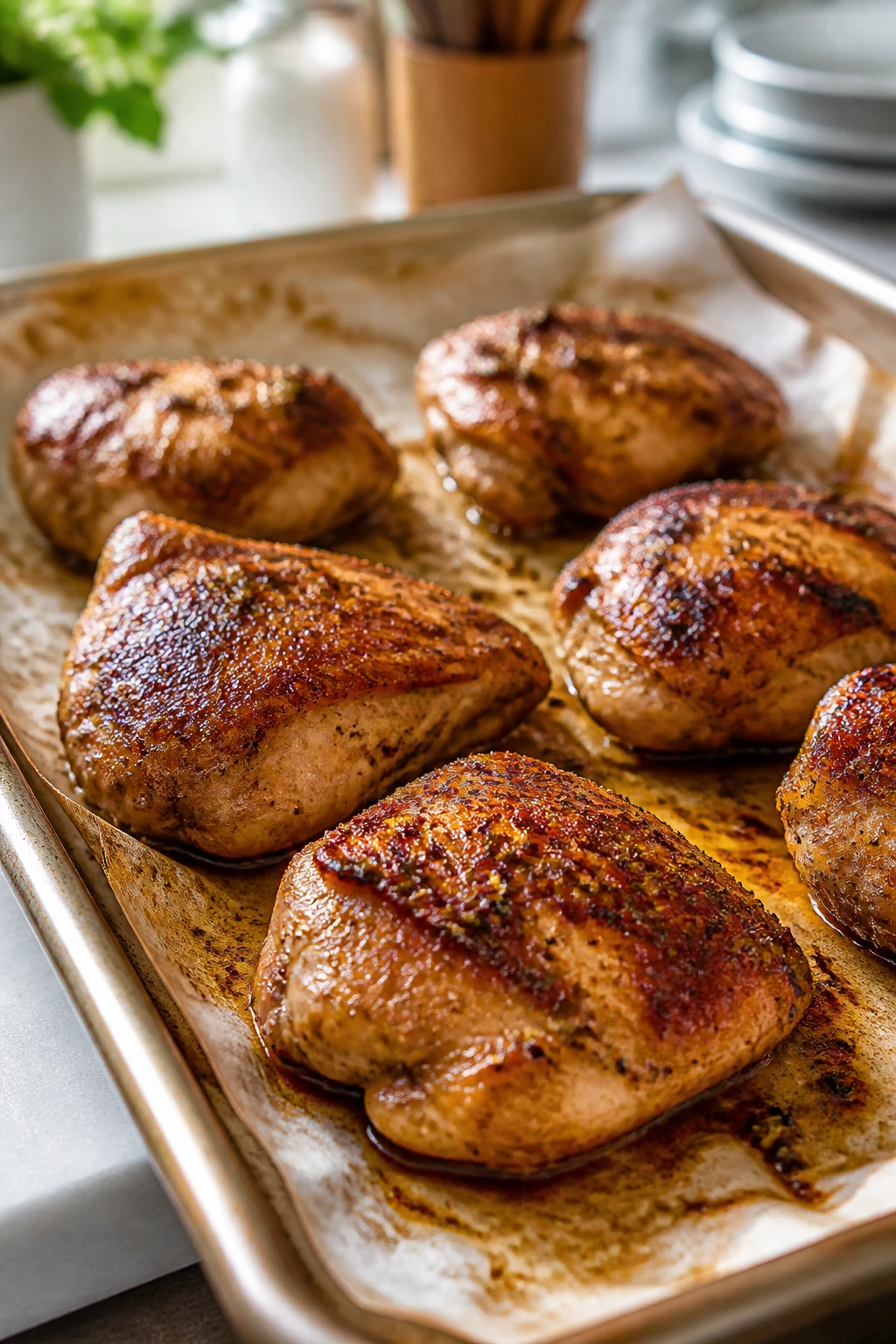
Plain roast chicken can be good enough. I still prefer to finish it with something sharp, creamy, or salty so the plate stops tasting like separate parts and starts tasting like one meal. Sauce doesn’t have to mean a three-step pan reduction. Sometimes it’s a spoonful of yogurt mixed with lemon. Sometimes it’s a drizzle of the juices from the tray with a knob of butter whisked in.
The Pantry Sauce I Reach for First
A quick pan sauce works when the chicken has left enough browned bits behind. Pull the chicken and vegetables, set them aside, then put the hot pan over medium heat with a splash of broth, white wine, or even water. Scrape up the browned bits, add a small knob of butter, and finish with lemon juice or a spoonful of Dijon. The liquid should taste savory and bright, not thin and gray.
This takes minutes. It also makes the whole tray taste intentional.
Cool Sauces Against Hot Chicken
Yogurt sauces are useful because they cut the richness of roast chicken without much effort. Stir plain yogurt with garlic, dill, lemon zest, and salt for something quick. Add cucumber if you want a sauce that eats more like a dip. Tahini mixed with lemon juice and water gives you a nutty, creamy finish that works especially well with roasted carrots or cumin-seasoned chicken.
Chimichurri is a different animal — sharp, green, and raw-tasting in the best way. It wakes up smoky or heavily roasted chicken and keeps leftovers from feeling repetitive.
Don’t Smother Crisp Skin
If you’ve worked to get the skin crisp, serve the sauce on the side or under the vegetables, not poured all over the chicken. A crisp crust turns flabby fast once it meets a wet topping. I like to put a spoonful under one edge of the chicken so the juices mingle a little without turning the whole thing soggy. Small choice. Big difference.
What to Serve Beside Chicken on a Weeknight
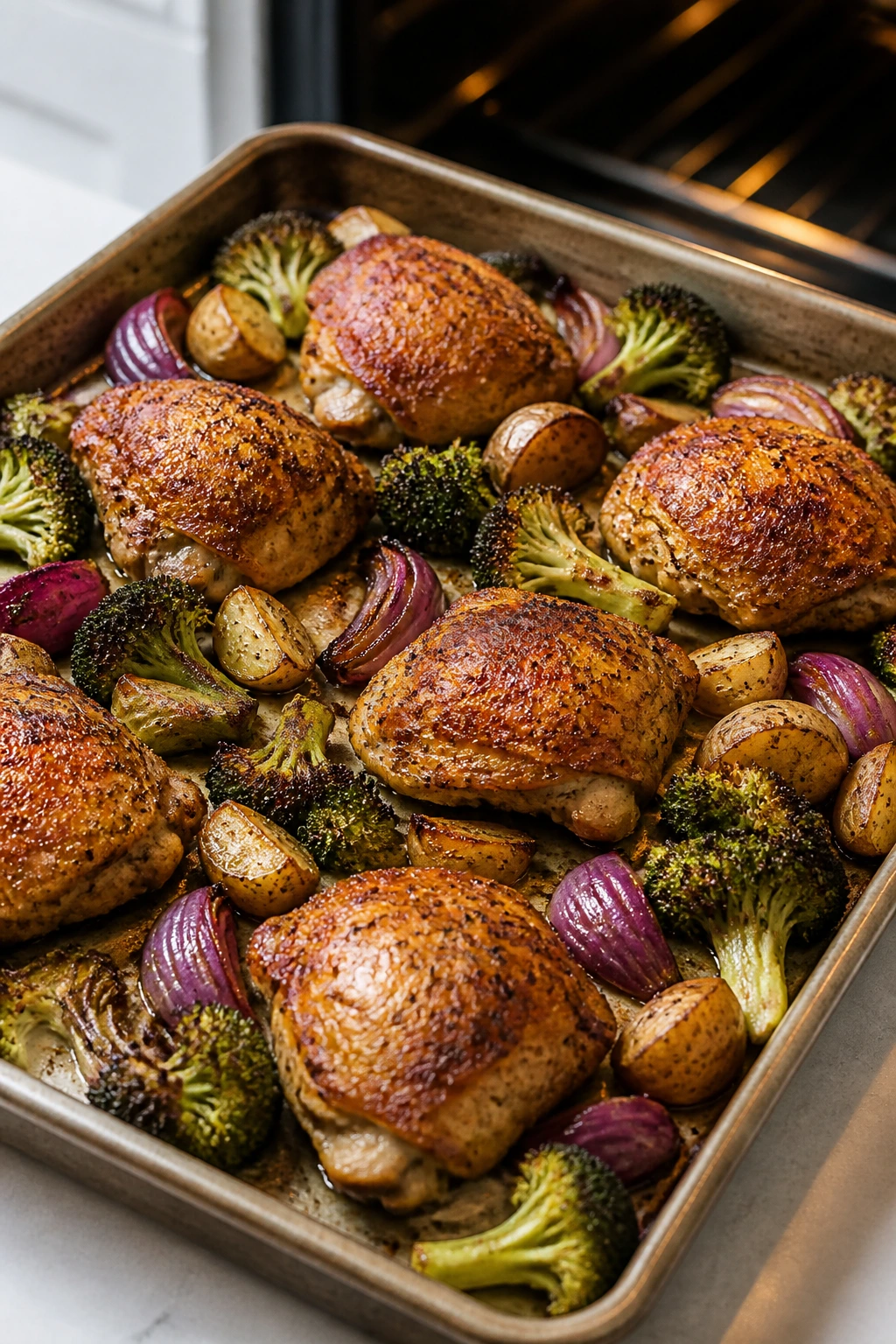
What goes next to roasted chicken should do one of two things: soak up juices or bring brightness. A plate with only chicken and more chicken-adjacent things gets heavy fast. A plate with chicken, starch, and something sharp feels finished, even if the meal was assembled in a hurry.
The simplest formula is this: protein + starch + something green or acidic. That could look like chicken thighs, roasted potatoes, and a cucumber salad. Or chicken breasts, rice, and lemony green beans. Or drumsticks, buttered noodles, and a pile of arugula with vinegar. The point isn’t variety for its own sake. It’s contrast.
Starches That Behave Well
Rice is the easy answer because it waits politely. Couscous, farro, and quinoa also work if you want something that can catch drippings. Egg noodles deserve more love than they get; tossed with butter and herbs, they make roasted chicken feel far more relaxed than mashed potatoes do. Bread is the lazy-smart option, which is not an insult. A warm piece of crusty bread can mop a tray clean in a way a spoon never quite manages.
Potatoes can play both roles. Roasted potatoes on the same tray as chicken are convenient, but mashed potatoes work too if you want a softer, more comforting plate. I like roast chicken most with potatoes that have crisp edges and a soft center. They seem to understand each other.
Green Things and Sharp Things
A fast salad changes the whole meal. Think sliced cucumbers, red onion, herbs, and vinegar. Or a simple pile of greens with lemon and olive oil. Even steamed green beans with a little salt and butter bring enough freshness to make the chicken taste richer by contrast.
Pickled onions, pepperoncini, olives, and even a spoonful of sauerkraut can work if you like sharper flavors. They’re not required, but they do a lot of heavy lifting when the chicken is heavily roasted or seasoned with paprika, garlic, or rosemary.
Portions That Feel Normal
For most adults, plan on 4 to 6 ounces of cooked chicken if there are sides, a little more if the chicken is the main event and the rest of the plate is modest. If you’re feeding kids, chicken cut into smaller pieces tends to disappear faster than whole pieces on the bone. Funny how that works. The meat doesn’t change. The presentation does.
The Tools That Make Roasting Easier
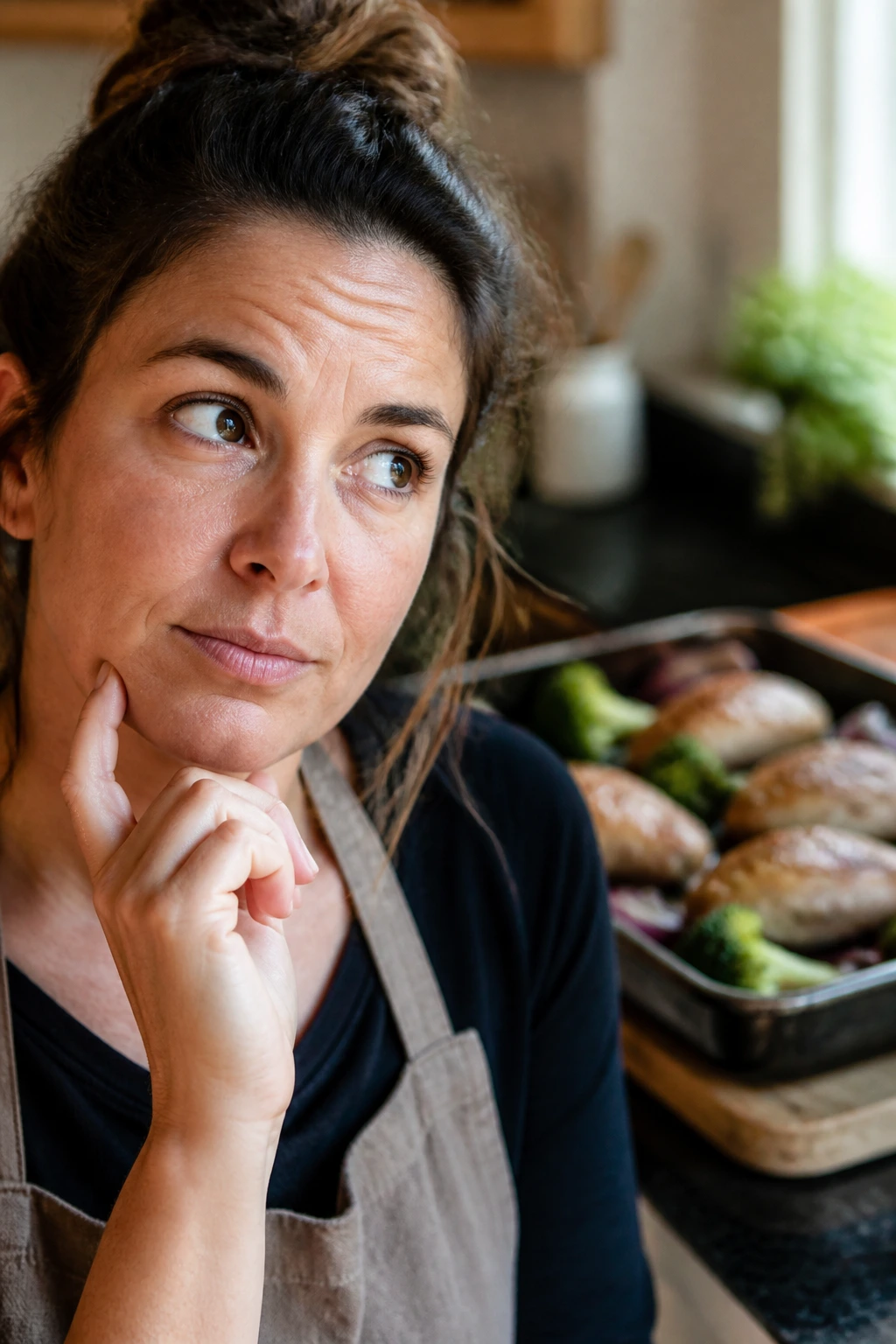
The gear list here is short, and that’s part of the appeal. You do not need a special roasting setup or a countertop machine with five blinking lights. A few solid tools do most of the work.
- Rimmed sheet pan: The backbone of most weeknight roasts. The rim catches drippings and keeps the oven clean.
- Instant-read thermometer: The one tool I’d call non-negotiable. It tells you when the chicken is done without opening it up and losing juice.
- Tongs: Useful for moving chicken and vegetables without spearing them and letting the juices run out.
- Sharp chef’s knife: Clean cuts on potatoes, carrots, and onions help everything roast at the same pace.
- Cutting board with a groove: Small thing, big cleanup difference. Chicken juices stay where they belong.
- Mixing bowl: Handy for tossing vegetables with oil and seasoning before they go on the pan.
- Parchment paper or heavy-duty foil: Optional, but helpful if cleanup matters more than maximizing browning.
- Microplane or fine grater: Best for lemon zest, garlic, or hard cheese finishes.
- Small saucepan: Useful if you want to turn pan drippings into a quick sauce.
- Wire rack: Optional. Great for crisp skin, less useful when vegetables share the pan.
Small Moves That Make Chicken Better Without More Work
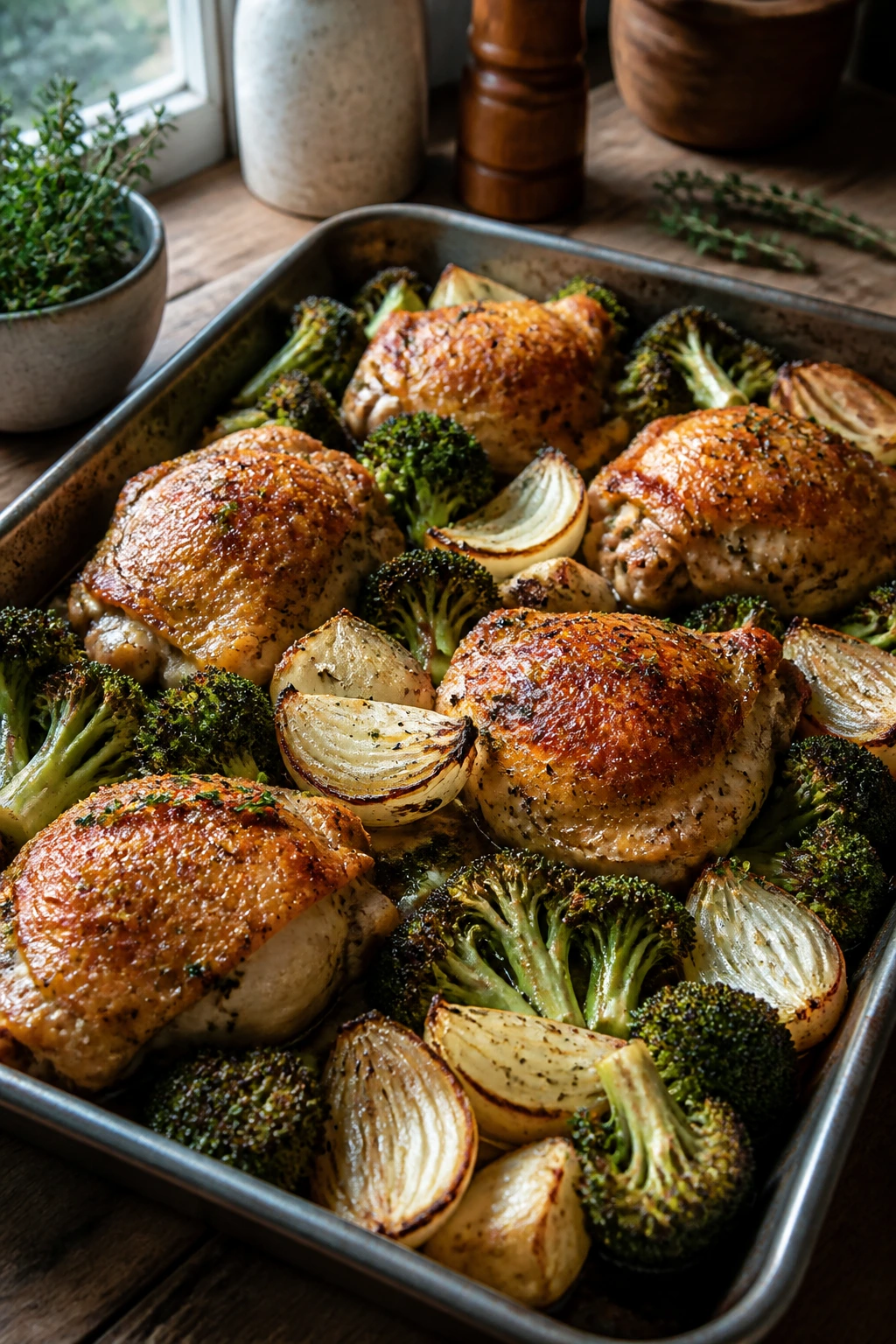
A few tiny habits change weeknight chicken more than complicated marinades ever do. None of them are fancy. All of them earn their keep.
Flavor Enhancement: Salt the chicken ahead of time, even if it’s only 30 minutes before roasting. A quick dry brine gives the meat a deeper, more seasoned taste and helps the skin dry out enough to brown. If you have the time, leave it uncovered in the fridge overnight. The result is better, and it’s not close.
Time-Saver: Cut vegetables by the job they need to do, not by how they look in the bowl. Dense vegetables in larger chunks, quick vegetables in larger pieces too — tiny pieces burn while you’re waiting for the chicken to finish. Bigger, even cuts buy you breathing room.
Pro Move: Roast on two pans if the chicken and vegetables want different schedules. One pan for potatoes and carrots, one for the chicken and broccoli later. The cleanup is slightly longer. The food is much better.
Cost-Saver: Buy bone-in thighs or drumsticks when they’re on sale and season them the same day you bring them home. They freeze well, thaw well, and they’re less likely to dry out if dinner gets delayed.
Finish Strong: Keep one bright thing in the house — lemon, vinegar, mustard, yogurt, pickles, herbs. That final acidic note is the difference between “roast chicken” and “a meal I want again tomorrow.”
Common Mistakes That Dry Out Chicken
Crowding the pan is the usual disaster. Chicken and vegetables piled on top of one another trap steam, which means pale skin and soft edges instead of browning. The fix is plain: use a bigger pan, split the food between two pans, or roast less at once.
Using one cooking time for every cut is another trap. Boneless breasts, bone-in thighs, and drumsticks do not finish together. If you treat them as though they do, something will be dry or underdone. Match the cut to the clock, or separate the cuts and roast them on their own terms.
Relying on color instead of temperature causes a lot of bad dinners. Brown skin is not proof of doneness. A thermometer removes the guesswork and keeps you from slicing into chicken that still needs time. The meat should hit 165°F for safety, and thighs often taste better a bit above that.
Skipping the rest wrecks the juices. If you cut in immediately, the juices run out onto the board instead of staying in the meat. Give the chicken a few minutes to settle. That pause matters more than people think.
Seasoning only the surface leaves the meat flat. A pretty crust doesn’t help if the chicken underneath tastes like plain steamed poultry. Salt early, season evenly, and don’t be shy about putting flavor on the meat, not just the skin.
Cutting vegetables too small makes them burn. Tiny carrot coins and skinny potato bits dry out before the chicken finishes. Bigger chunks roast better and can take the heat without collapsing.
Flavor Variations for Different Cravings
The best weeknight roast chicken routine is one you can bend a little without relearning everything. Same oven. Same pan. Different mood.
Lemon-Herb Brightness: Use lemon zest, thyme, garlic, and olive oil, then finish with more lemon juice and chopped parsley. This version is sharp enough to wake up plain rice or potatoes, and it’s the one I reach for when the chicken needs to feel lighter.
Smoky Paprika Tray: Add smoked paprika, onion powder, garlic powder, and a touch of cumin to the chicken and potatoes. The flavor leans deeper and a little warmer, especially if you serve it with yogurt or a quick cabbage slaw. It’s a good choice when the weather pushes everyone toward heavier food.
Dijon and Mustard Pan Roast: Brush the chicken with Dijon, olive oil, and black pepper before roasting. The mustard doesn’t make the chicken taste like sandwich filling; it gives the skin a sharper edge and plays well with carrots and onions. Add a splash of vinegar at the end if you want it more awake.
Soy-Ginger Shortcut: Use soy sauce, grated ginger, garlic, and a little honey or brown sugar for a sticky, glossy finish. This works best with thighs and broccoli, and it feels complete over rice. Keep an eye on the pan, because the sugar can darken faster than a plain herb roast.
Harissa and Yogurt Pairing: Rub the chicken with harissa paste and oil, then serve it with yogurt on the side. The heat level depends on the paste you buy, so taste before you commit the whole tray. This is one of those combinations that tastes like you worked harder than you did.
Keeping Roast Chicken Useful for a Few More Meals
Cooked chicken stores well, but the skin and vegetables don’t keep their exact roasted texture forever. That’s fine. Roast chicken is one of those rare meals that can change shape without losing its usefulness.
Let the chicken cool, then get it into the fridge within 2 hours. Stored in an airtight container, cooked chicken keeps for 3 to 4 days in the refrigerator. If you want to freeze it, pull the meat off the bones first and freeze it in a flat bag or container for up to 2 months. The texture softens after freezing, so I prefer to use frozen roast chicken in soup, tacos, rice bowls, or casseroles rather than serving it as-is.
Reheating depends on the cut. Bone-in pieces do well in a 325°F oven covered loosely with foil until warmed through, then uncovered for a few minutes if you want the skin to crisp back up. Sliced breast meat is better in a skillet with a spoonful of broth, or microwaved gently under a damp paper towel so it does not turn chalky. Thigh meat forgives reheating better than breast meat, which is another quiet reason thighs show up on so many weeknight menus.
Make-ahead helps a lot here. You can season chicken the night before, chop sturdy vegetables a day ahead, and mix a sauce a few days in advance. If the vegetables are especially wet — mushrooms, zucchini, tomatoes — wait to prep them until the same day so they don’t slump in the fridge.
Leftovers improve when you stop trying to make them look like the first meal. Shred the chicken, tuck it into tacos, stir it into noodles, or pile it into soup. Different dinner. Same work you already did.
Questions People Ask Before the Oven Goes On
What cut of chicken is best for weeknight roasting?
Bone-in, skin-on thighs are the safest place to start. They roast in a reasonable amount of time, stay juicy even if the clock runs long, and brown well without much drama. Boneless thighs are faster, and breasts can work if you manage the thickness carefully.
Can I roast chicken and vegetables on the same pan?
Yes, but only if you cut the vegetables with the cook time in mind. Hard vegetables like potatoes and carrots can start with the chicken; softer vegetables like broccoli, asparagus, and zucchini usually need to go in later. Crowding the pan will work against you.
How do I keep chicken breasts from drying out?
Use even thickness, roast them at a higher heat like 425°F, and pull them around 160°F to 162°F so carryover heat can finish the job. A little oil or mayo on the surface helps too. Breasts are less forgiving than thighs, so watch them closely.
Do I need to marinate chicken before roasting?
No, not always. A proper salt season, a few spices, and enough oven heat can do most of the work. Marinades are useful when you want a specific flavor profile, but they are not required for a solid roast chicken dinner.
Can I use frozen chicken for roasting?
Only after it’s fully thawed. Frozen chicken roasts unevenly and makes timing unreliable, which is the opposite of what you want on a weeknight. Thaw it in the refrigerator for the safest result.
How do I know chicken is done without cutting into it?
An instant-read thermometer is the clean answer. Insert it into the thickest part, away from bone, and look for 165°F in the breast or a bit higher in the thigh if you want better texture. Visual cues help, but they should not be your only clue.
What if my vegetables finish before the chicken?
Pull them off the pan and hold them warm in a low oven, or roast them on a second pan the next time. If it happens once, no disaster. If it keeps happening, your vegetable cuts are too small or the chicken is the wrong cut for the time you have.
Can I make this with boneless, skinless chicken?
Yes, and it’s often the fastest route. Boneless thighs are the best choice if you want speed with some forgiveness. Boneless breasts need even thickness and close attention, because they dry out more quickly.
A Better Tuesday
Roasted chicken doesn’t need to be dressed up as something more complicated than it is. A hot oven, a cut that fits your schedule, vegetables that respect the clock, and a finishing touch that brings some bite to the plate — that’s enough to make a Tuesday feel planned instead of patched together.
The nicest part is how little the method asks from you once the pan is in the oven. It holds its own. You can finish the rice, stir the salad, or stand there for a minute and enjoy the smell. Sometimes that’s the whole point.