



Spicy Chinese food at home has a way of making takeout feel a little clumsy. The garlic hits hot oil first, the chilies bloom for a few seconds, and suddenly the kitchen smells sharper, cleaner, and more alive than any styrofoam container ever could.
That’s the part people miss when they say restaurant food is unbeatable. A lot of takeout is built to travel. It leans on extra sauce, extra starch, and a safer level of heat so it can sit in a box for twenty minutes without collapsing. At home, you can cook for the plate instead of the delivery bag.
And that changes everything. You can keep the vegetables snappy, choose a chili oil that tastes fruity instead of flat, decide whether you want numb, smoky Sichuan heat or a deep garlic burn, and stop the sauce the second it turns glossy instead of letting it turn gluey. Little things. Huge difference.
Why This Method Beats a Standard Takeout Order
You control the heat curve: A spoon of chili crisp gives a different burn than a dried-chile stir-fry, and you can steer toward mouth-tingle, straight fire, or a balanced middle ground.
You get fresher texture: Broccoli stays green, green beans stay blistered, and tofu stays creamy when you cook it in a hot pan and serve it right away.
You can make the sauce taste layered: Home cooks can balance soy sauce, black vinegar, sugar, and aromatics in a way that doesn’t taste one-note or salty.
You spend less on the parts that matter: A bottle of doubanjiang, a decent soy sauce, and a jar of chili oil go farther than a single night of delivery.
You choose the oil level: Some dishes need a slick of chili oil. Others only need enough to carry the aromatics. That’s a big deal if you’ve ever opened a box of greasy noodles and sighed.
You can cook for your own mouth, not a menu: Love mala? Push the Sichuan peppercorns. Prefer garlic heat with more acid? Lean on black vinegar. The best home versions stop pretending there is one correct level of spicy.
The Three Kinds of Heat Chinese Cooking Uses Best
A lot of people lump all spicy Chinese food together, and that’s where the confusion starts. The heat in Sichuan hot pot, the burn in Hunan stir-fries, and the warm nudge from cumin and dried chilies in northwestern dishes do not taste the same. They don’t even behave the same in the pan.
Chili heat is the obvious one. That’s the sting from fresh chilies, dried chilies, chili flakes, chili oil, or chili crisp. It lands on the tongue fast and fades fast unless you build it into the sauce or bloom it in oil. It’s the easiest kind to overdo, because a little oil can carry a lot of punch.
Mala heat is the classic Sichuan trick. “Ma” is the numbing, citrusy tingle from Sichuan peppercorns; “la” is the chili burn. Together, they create that odd sensation where your lips feel awake and your tongue feels a little buzzy. Not numb in the medical sense. Just bright, prickly, and strangely addictive.
Aromatic heat comes from the ingredients around the chilies. Garlic, ginger, scallions, fermented bean paste, black vinegar, toasted cumin, and star anise all shape how hot the dish feels. A hot dish with no aromatics tastes harsh. A hot dish with good aromatics tastes rounder, even when the chili level is high.
Here’s the useful part: you do not need to master every regional style at once. Start by deciding what kind of heat you want tonight. If you want punchy and clean, use fresh chilies and garlic. If you want depth, use doubanjiang and dried chilies. If you want that addictive mouth buzz, crack Sichuan peppercorns right before cooking.
The Pantry Bottles That Make or Break the Flavor
The pantry is where home-cooked spicy Chinese food stops being “pretty good” and starts feeling deliberate. A lot of the magic sits in a few bottles and jars, and you can taste the difference immediately.
Doubanjiang is the big one. Broad bean chili paste, especially the older, darker kind from Pixian-style fermentation, gives mapo tofu, spicy eggplant, and many Sichuan stir-fries their bass note. It tastes salty, fermented, and earthy. Use it sparingly at first. One tablespoon can do more than three lazy spoonfuls of plain chili sauce.
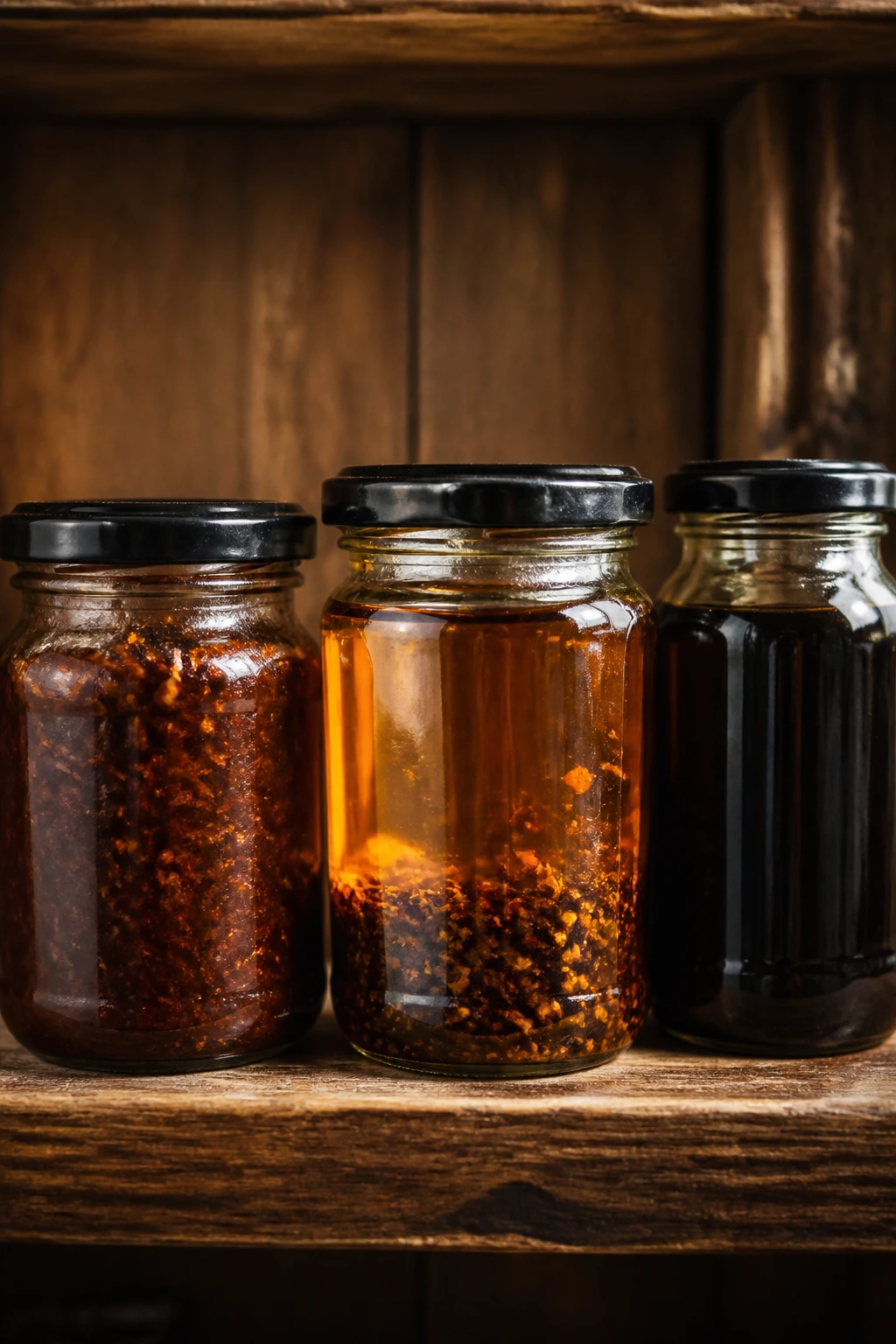
Chili oil does a different job. A good one tastes like fried spices, not just heat. Look for oil with sediment at the bottom, or make your own with dried chilies, Sichuan peppercorns, scallions, garlic, and neutral oil. It should smell toasty and a little nutty, not bitter.
Chili crisp brings texture. Those little crisped bits of garlic, onion, and chile are terrific on noodles, dumplings, and cold cucumbers, but they are not the same thing as chili oil. Chili crisp gives crunch and aroma. Chili oil gives sheen and heat distribution. They overlap. They are not twins.
Black vinegar matters more than people expect. Chinese black vinegar, especially Chinkiang-style, has a malty, almost woody edge that cuts fat and brightens heat. A teaspoon or two can rescue a sauce that tastes heavy or dull. White vinegar works in a pinch, but the result is more blunt.
Soy sauce should do more than salt the food. Light soy sauce brings salt and aroma; dark soy sauce brings color and a little sweetness. If all you own is one bottle, use it. If you keep both, you’ll start noticing how much more control you have over color and depth.
Shaoxing wine gives savory lift. When it hits a hot pan, the alcohol cooks off and leaves behind a round, dry, almost nutty note. A splash in a stir-fry or marinade can make the whole dish taste less one-dimensional. Dry sherry can step in if needed.
Fermented black beans and oyster sauce are quiet helpers. Black beans add salty funk in tiny amounts. Oyster sauce adds body and a glossy finish. Neither one should be treated as a dumping ground. Use enough to support the dish, not enough to flatten it.
Why High Heat Changes Everything in the Wok
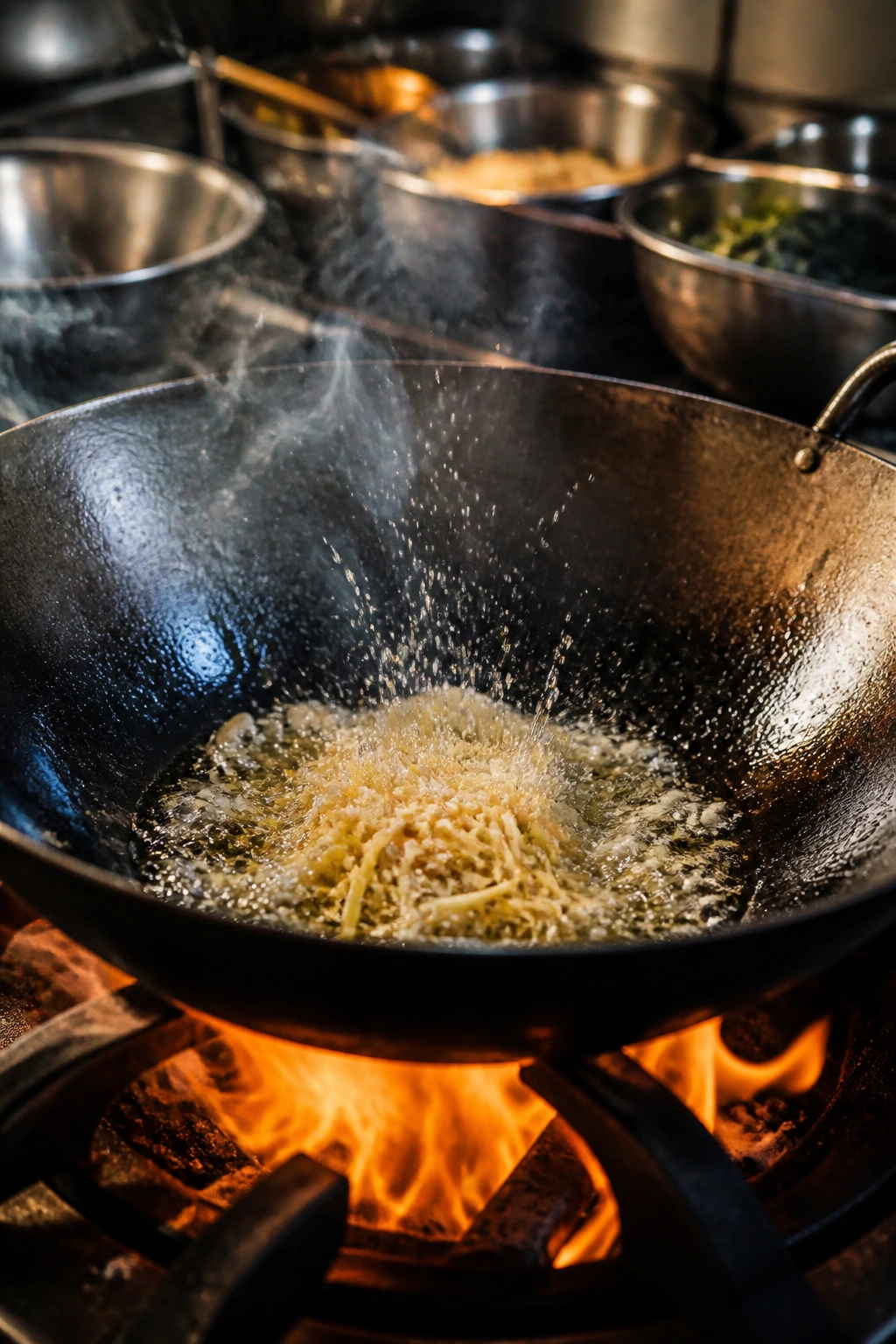
A lukewarm pan is where spicy Chinese food starts going wrong. The ingredients release water, the aromatics simmer instead of frying, and the sauce turns pale before it has time to tighten. The whole dish starts tasting like it was cooked in a saucepan, which is fine for soup and terrible for a stir-fry.
High heat changes the chemistry in a very ordinary way. Moisture flashes off faster. Meat sears before it steams. Garlic and ginger hit the oil and perfume the pan instead of sinking into it. You want the sound of the food when it enters the pan to be immediate and sharp, not a sad hiss.
A carbon steel wok helps because it heats fast and recovers heat fast. That matters when you add cold chicken, tofu, or a pile of vegetables. Cast iron can work too, but it holds heat differently and can feel sluggish if you crowd it. Stainless steel is workable for some dishes, especially saucy ones, but it won’t forgive a weak burner.
One thing home cooks often forget: a big burner on a home stove is still not a restaurant wok burner. That’s fine. You compensate by cooking in smaller batches, drying your ingredients well, and keeping your oil hot enough that the aromatics bloom in seconds. Fast is not the point. Controlled fast is.
If you ever notice your garlic turning brown before the chili smell wakes up, your pan is too hot or your sequence is off. If the meat dumps water and the pan looks pale gray, you crowded it. Both problems are fixable. Both are common. Both make the dish taste flat.
Building a Sauce That Clings Instead of Pooling
The best spicy Chinese sauces don’t sit under the food like soup. They coat. They cling in a thin, glossy layer that sticks to the edges of tofu cubes, curls around noodles, or leaves a lacquer on broccoli florets. That texture is not accidental.
Cornstarch is the most obvious tool, but it should be used with a light hand. Too much and the sauce turns slippery and gluey; too little and it runs off the food and pools on the plate. A teaspoon or two mixed with water is enough for many stir-fries. You are looking for a sauce that thickens as it bubbles, not one that becomes pudding.
Reduction does a lot of work too. If you add soy sauce, vinegar, stock, and wine, then let the mixture bubble for a minute or two before adding a slurry, the flavor sharpens. The liquid loses its raw edge. The aroma gets tighter. That extra minute matters.
Oil is the final piece. It carries chili flavor, helps the sauce look glossy, and keeps the aromatics from feeling dry. But too much oil makes the dish greasy and heavy, which is exactly why some takeout tastes tired halfway through the bowl. You want enough oil to gloss the sauce, not drown the vegetables.
A useful test: drag a spoon through the pan. If the sauce closes slowly and leaves a clean line for a moment before melting back together, you’re in the right zone. If it floods instantly, keep cooking. If it sticks like paste, add a splash of stock or water and loosen it.
The Proteins and Vegetables That Hold Up Best
Some ingredients are built for aggressive seasoning and high heat. Others collapse. Knowing the difference saves dinner.
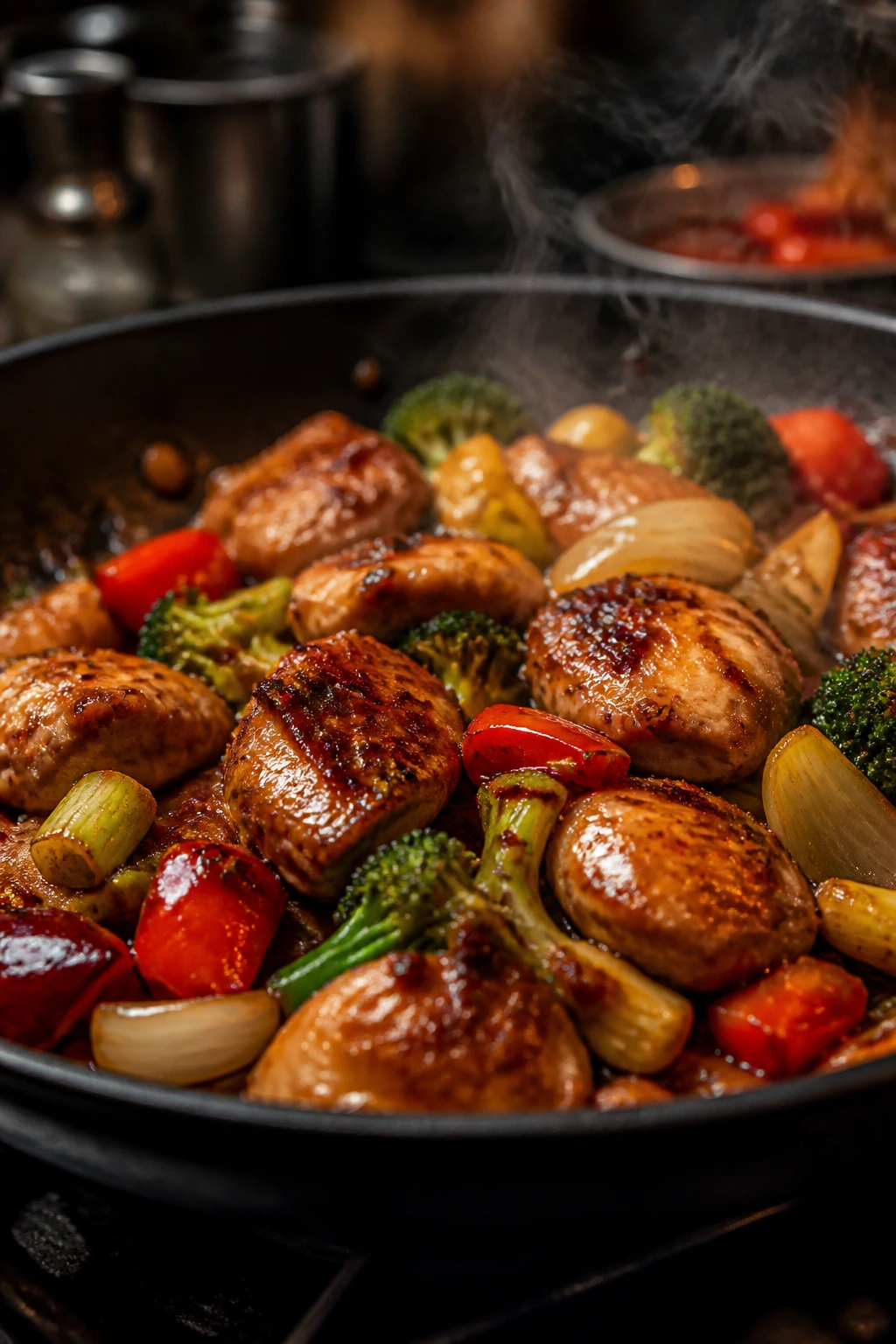
Chicken thighs are better than breasts for many spicy stir-fries. They stay juicy through a hard sear and don’t dry out while you finish the sauce. Pork shoulder, sliced thin, brings fat and flavor to twice-cooked pork or dry-fried dishes. Shrimp cooks fast and loves garlic-chili sauces, but it overcooks in a blink.
Tofu deserves more respect than it gets. Firm tofu, pressed and cut into cubes, drinks sauce and holds shape in mapo tofu or a chile bean paste stir-fry. Soft tofu works when you want silkier texture, but it needs gentler handling. If you toss it around like chicken, it will break apart. That’s not a disaster, just a different dish.
Vegetables should have backbone. Green beans, napa cabbage, bok choy, broccoli, baby corn, Chinese eggplant, snow peas, and bell peppers all keep some structure under a hot pan. Mushrooms, especially shiitake and king oyster, bring chew and absorb sauce well. Zucchini can work, though it releases more water and needs a hotter pan.
The cut matters as much as the ingredient. Thin slices sear faster. Small, even chunks cook more evenly. Long strips of pepper or eggplant look nice, but they also need the pan to stay hot so they don’t slump into mush. If your knife work is sloppy, the wok will show it immediately.
The Dishes That Teach You the Method Fastest
If you want spicy Chinese food at home to feel repeatable, start with dishes that teach you one skill at a time. Mapo tofu teaches you sauce, aromatics, and gentle handling. Kung pao chicken teaches you heat control, quick marinating, and the balance of sweet, sour, salty, and spicy. Dry-fried green beans teach you patience. Cumin lamb teaches you how powerful toasted spices can be when they meet a hot pan.
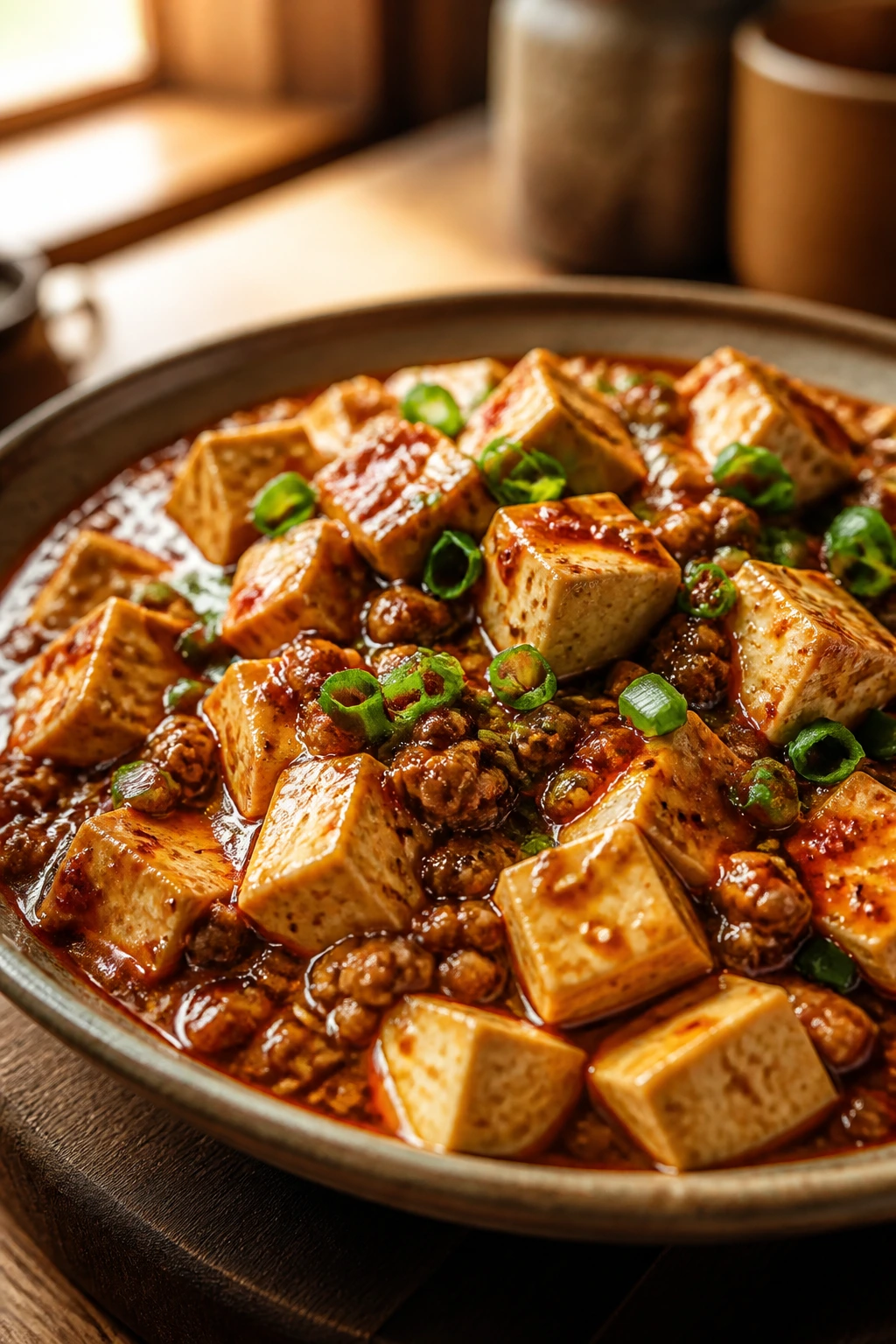
Mapo tofu is the one I’d teach first to anyone who thinks Chinese food is impossible at home. The tofu stays soft, the pork or beef adds depth, and the sauce is built from ingredients that are easy to find if you know what you’re hunting for. The trick is not to boil the tofu hard. Let it simmer, shake the pan instead of stabbing it, and finish with scallions and chili oil.
Kung pao chicken rewards precision. The chicken is marinated, the dried chilies are warmed in oil until fragrant, and the sauce lands in a tight burst of heat and gloss. Peanuts bring crunch. Dried chilies bring smoke. A little black vinegar keeps the whole thing from tasting sticky.
Dry-fried green beans are deceptively simple. They need to blister in enough oil to shrink and wrinkle, which sounds indulgent until you taste the result. The beans come out meaty, salty, and faintly smoky, with minced pork, garlic, and preserved vegetables if you want the classic version. Cook them hot. Do not rush the blistering.
Cumin lamb is all about scent. Toasted cumin, garlic, chili, and lamb’s richness work together in a way that feels almost reckless the first time you smell it. It’s a northwestern Chinese flavor profile, closer to street grill energy than to the fermented depth of Sichuan cooking. Serve it with flatbread or rice and call it dinner.
Hot-and-sour soup deserves a mention too, because it proves that spicy Chinese food at home does not have to mean stir-frying every night. Black vinegar, white pepper, tofu, mushrooms, and a beaten egg create a broth that wakes the mouth without burning it out. It’s a sharp bowl. A useful bowl.
The Tools That Make the Job Easier
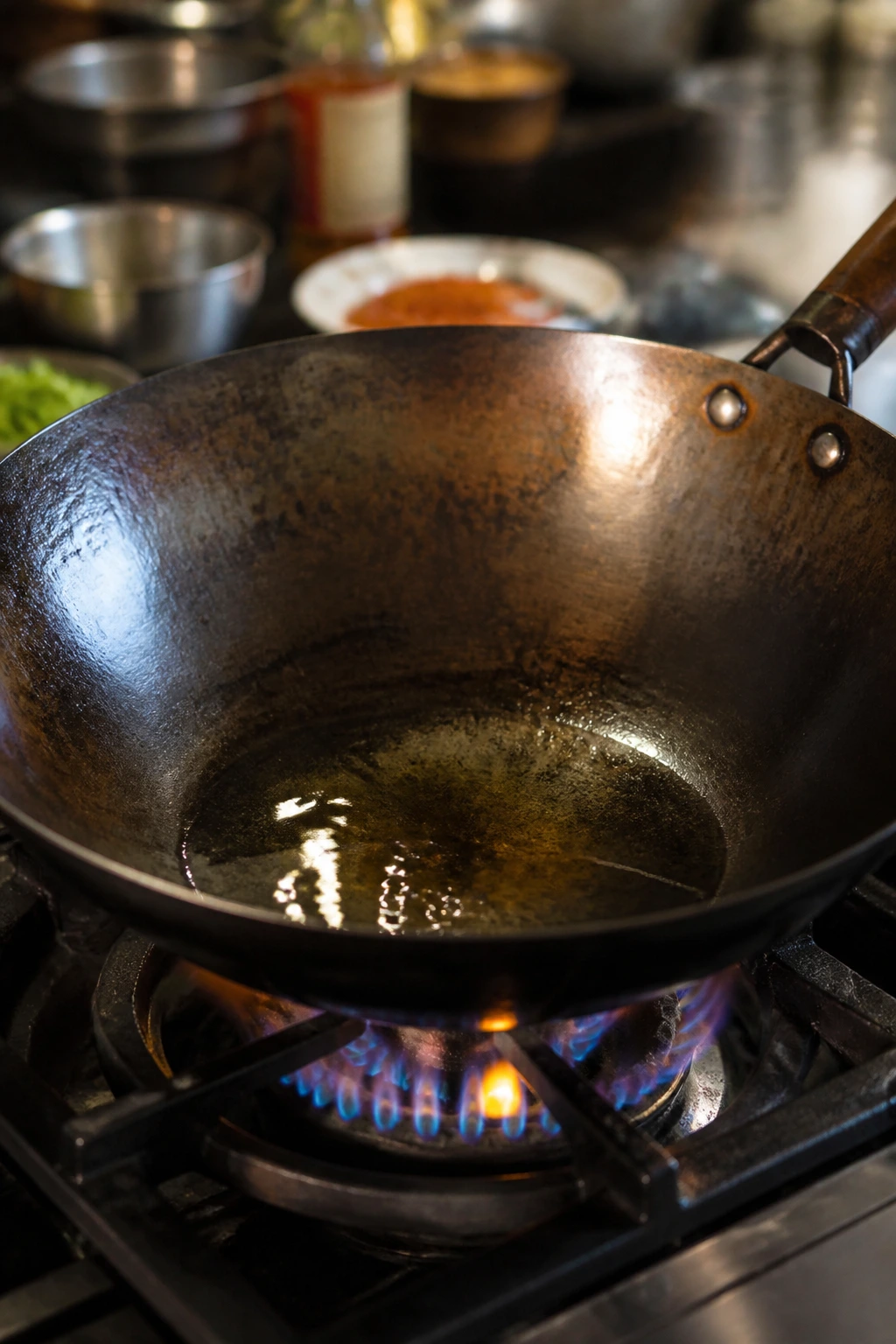
You can cook spicy Chinese food with a skillet and a spoon. You really can. But a few tools make the whole process less fussy and more repeatable.
- Carbon steel wok: Heats fast, recovers heat fast, and makes stir-frying feel easier on a strong burner.
- Large stainless steel skillet: A solid backup for saucy dishes or if you do not own a wok.
- Small prep bowls: Keep aromatics, sauces, and dry spices separated so the pan doesn’t leave you scrambling.
- Spider or slotted spoon: Handy for blanching noodles, pulling fried chilies out of oil, or scooping blanched vegetables.
- Sharp chef’s knife: Thin slicing matters here more than in many other cuisines.
- Cutting board with a damp towel underneath: Stops the board from skating around when you’re chopping garlic or slicing meat thin.
- Microplane or fine grater: Excellent for ginger and garlic when you want them to vanish into a sauce.
- Measuring spoons and cups: Stir-fry is fast, and measuring by eye is where many sauces go sideways.
- A small whisk or chopsticks: Good for loosening cornstarch slurry and beating eggs for soup.
- Heatproof spatula or wok chuan: Useful for scraping and tossing without tearing soft tofu.
A few optional extras are worth it if you cook this style often. A pepper grinder dedicated to Sichuan peppercorns keeps the aroma bright. A small strainer helps when you want a clean chili oil. A splatter screen is useful if your stove runs hot and your oil likes to wander.
How to Plate a Spicy Chinese Meal So It Feels Complete
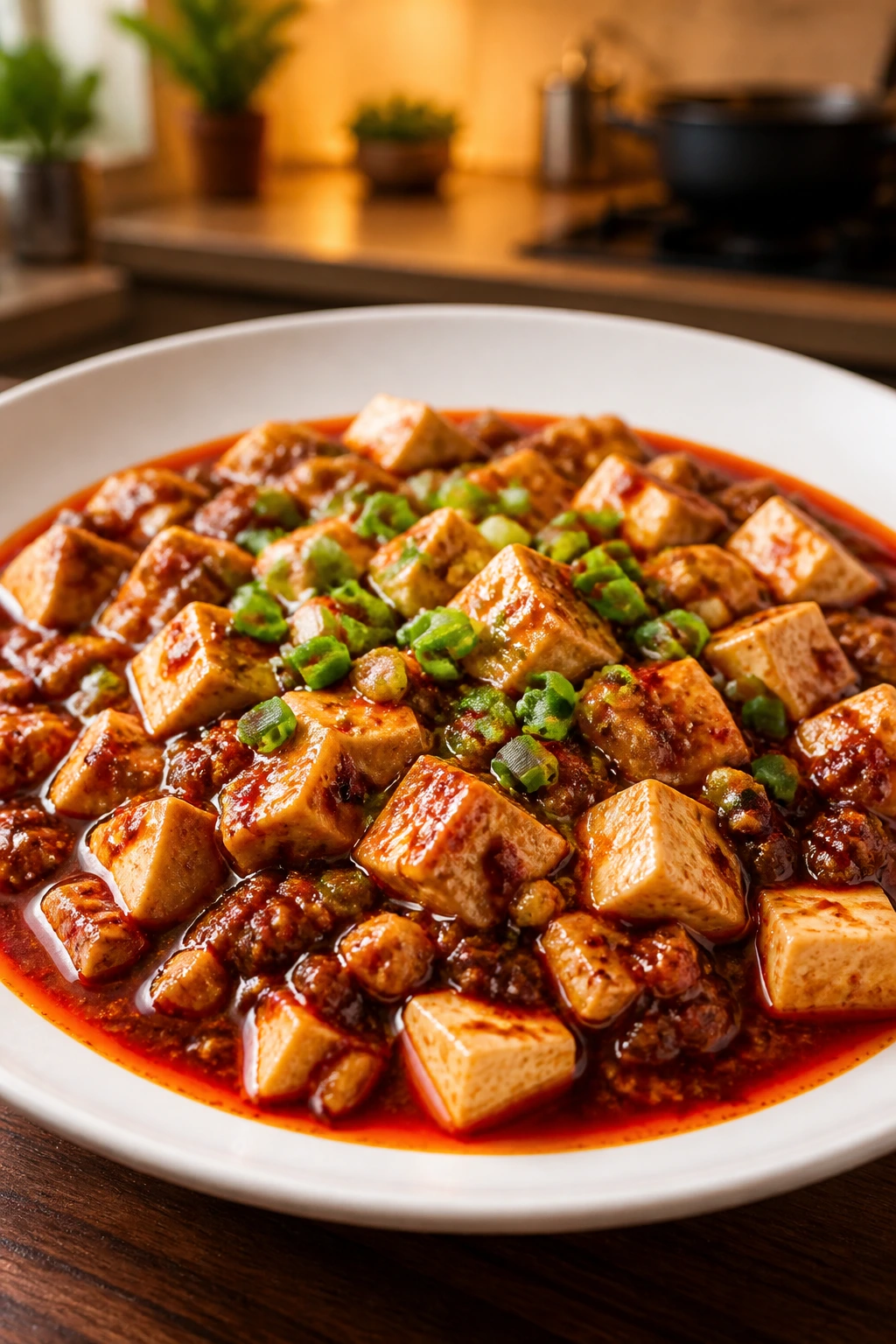
Presentation: Spicy dishes look best when they have one clean anchor on the plate. Spoon mapo tofu into a shallow bowl, scatter scallions over the top, and let a streak of red oil sit at the edge. Stir-fries with chicken or pork look sharper piled beside rice rather than buried in it, because you can see the glossy sauce and the vegetable colors.
Accompaniments: Steamed jasmine rice is the obvious partner, but don’t stop there. Cold smashed cucumber salad cuts heat with crunch. Steamed bok choy with a splash of sesame oil keeps the meal green. Scallion pancakes or plain mantou are especially good with saucy dishes, because they mop up chili oil better than plain rice.
Portions: A saucy stir-fry usually feeds 3 to 4 people as a main dish with rice, or 2 people if they are hungry and not sharing sides. Mapo tofu is richer than it looks, so a small bowl can go a long way. If you’re building a bigger spread, aim for one spicy dish, one vegetable dish, and one plain starch. That gives the heat somewhere to land.
Beverage Pairing: Cold lager is the easy answer, and it works because the carbonation scrubs the palate. Unsweetened jasmine tea or oolong tea is just as useful if you want something quieter. A little sweetness in a drink can help, but too much sugar makes spicy food feel hotter, not calmer.
Practical Tips That Push the Flavor Past “Pretty Good”
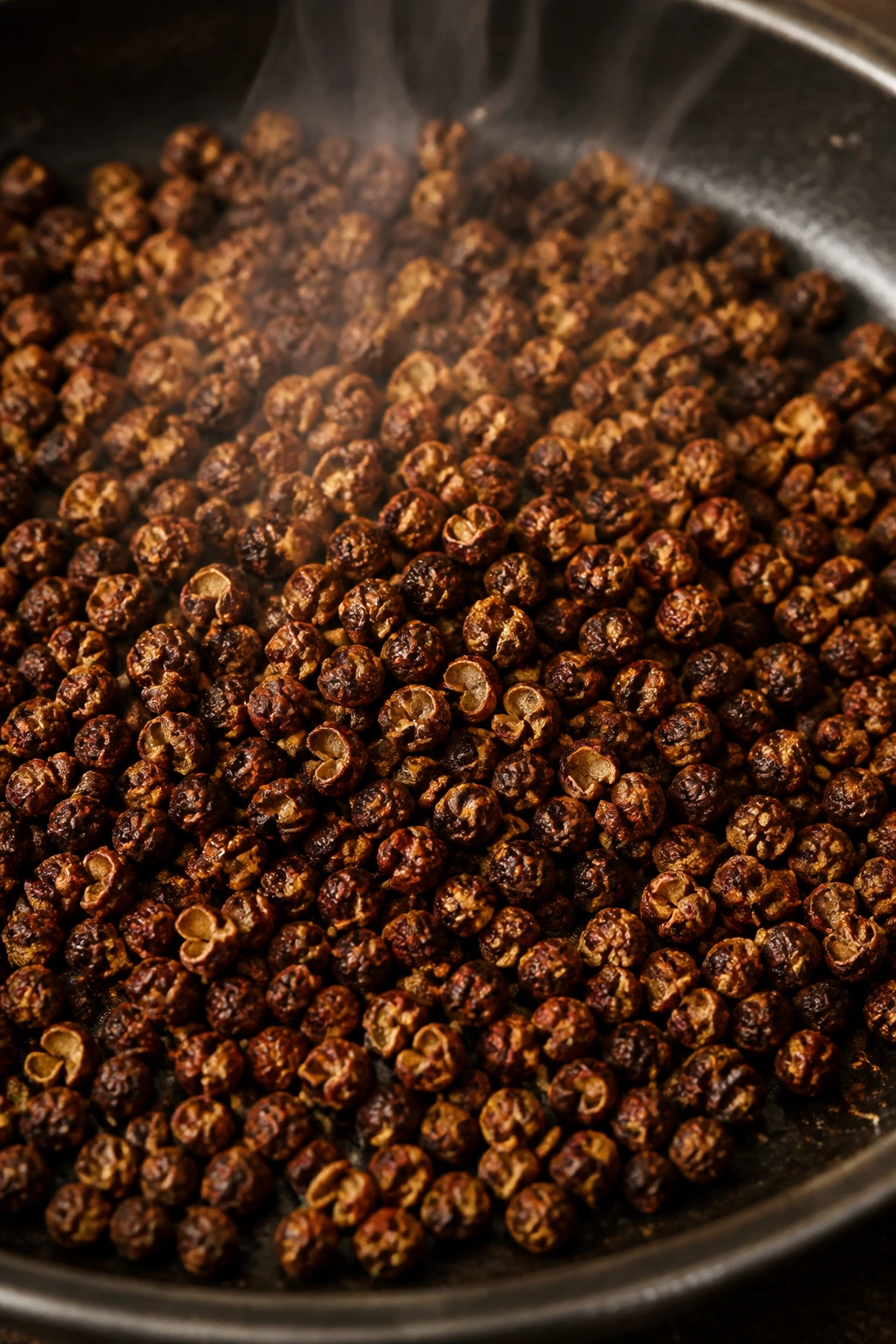
Flavor Enhancement: Toast whole Sichuan peppercorns in a dry pan for 30 to 45 seconds, then grind them fresh. Pre-ground peppercorns lose that citrus-bright edge fast, and freshly ground ones make a mala dish smell louder the second they hit the oil.
Time-Saver: Mix your stir-fry sauce before you turn on the burner. Soy sauce, vinegar, wine, sugar, stock, and cornstarch should all be ready in a small bowl, because once the oil is hot you do not want to measure with one hand while garlic browns in the other.
Cost-Saver: Use chicken thighs, tofu, or eggplant when beef prices are ugly. These ingredients love spice and sauce, and they still taste rich when you give them the right sear. A cheap cut becomes a good dinner when it’s sliced thin and cooked hard.
Pro Move: Dry your ingredients better than you think you need to. Pat tofu, meat, and vegetables dry before they hit the pan. Water is the enemy of searing, and a damp surface gives you steam instead of browning.
Customization: If a dish tastes too sharp, add a pinch of sugar or a spoon of stock before you reach for more soy sauce. If it tastes heavy, add black vinegar or a squeeze of lemon if that’s all you have. If it tastes thin, it probably needs salt, not more chilies.
Serving Suggestions: Finish with scallions, toasted sesame seeds, crushed peanuts, or a few drops of dark chili oil. That last little drizzle matters more than it sounds. It gives the dish a smell that reaches you before the bowl does.
Common Slip-Ups That Make Home Versions Taste Flat
Crowding the pan is the classic mistake. The food releases moisture, the temperature drops, and the whole dish starts simmering in its own liquid. You’ll see pale chicken, soft vegetables, and sauce that never quite catches. Fix it by cooking in batches, even if that feels fussy.
Skipping the aromatic bloom is another one. Garlic, ginger, scallions, and chili paste need a few seconds in hot oil to wake up. If you dump sauce straight onto cold aromatics, the dish tastes raw and blunt. The fix is simple: get the oil hot first, then add the aromatics, then move fast.
Using too much cornstarch creates a strange, slippery sauce that coats the tongue in the wrong way. It looks glossy for about ten seconds, then it turns gummy. Start with a small slurry and give the pan a minute to tell you what it needs. You can always thicken more. Fixing a gluey sauce is harder.
Burning dried chilies happens when the oil is too hot or the pan sits too long before the next ingredient goes in. Burnt chilies taste bitter, not spicy. If you see them darken fast, pull the pan off the heat for a second or add the next ingredient immediately. Better pale and fragrant than black and acrid.
Under-salting because you’re afraid of soy sauce is a quieter problem. Chinese food often tastes layered because salt, umami, and acid are all working together. A dish can be spicy and still taste flat if the salt is timid. Taste the sauce before you serve it. The difference between “fine” and “sharp” is often one small pinch.
Forgetting acid leaves the whole dish heavy. Black vinegar, rice vinegar, or even a little citrus juice can make chilies taste brighter and less muddy. If a stir-fry makes you want a nap instead of another bite, it probably needs acid, not more oil.
Variations for Different Heat Levels and Pantry Styles
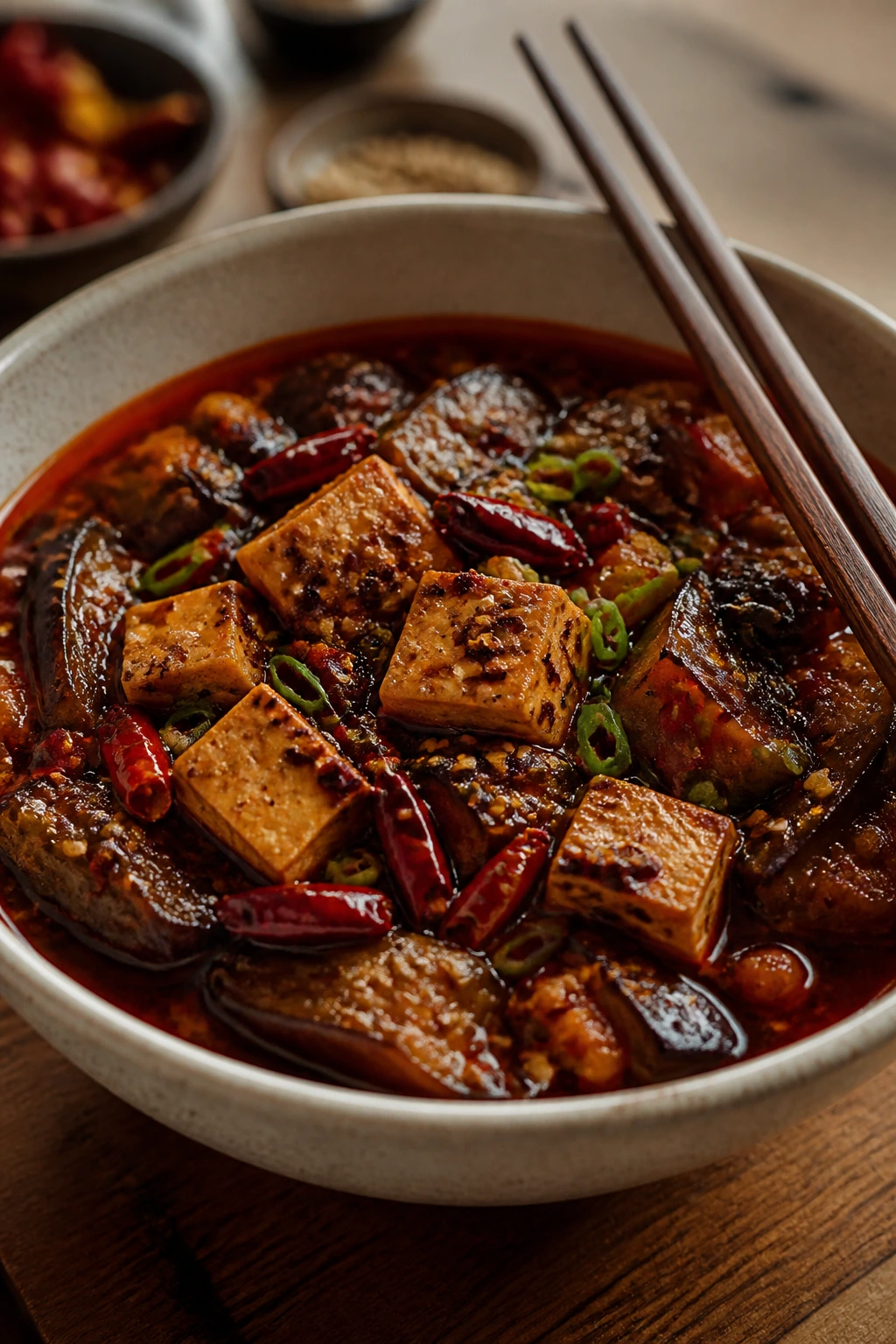
Mala Fire Bowl: Push this toward Sichuan territory with doubanjiang, toasted Sichuan peppercorns, dried chilies, and a finish of chili oil. It works best with tofu, eggplant, or chicken thighs because those ingredients can carry the deep, salty flavor without falling apart. If the numbing sensation feels too strong, cut the peppercorns in half and keep the chili oil.
Garlic-Vinegar Stir-Fry: This version skips the numbing effect and leans on black vinegar, lots of garlic, and a lighter chili paste. It’s the one I’d make when I want heat that feels sharper and cleaner. Great with shrimp, broccoli, or green beans. It wakes the palate without turning the whole dish into a chili contest.
Cumin Street-Style Skillet: Toast cumin seeds, add dried chilies, then stir-fry lamb, beef, or mushrooms with onions and scallions. The flavor goes in a more smoky, earthy direction, almost like a grill pan met a spice jar and decided to be useful. Flatbread or rice both work. This one is bold without being saucy.
Weeknight Pantry Bowl: Use chili crisp, soy sauce, garlic, a spoon of black vinegar, and whatever vegetables are sitting in the crisper drawer. Add tofu, chicken, or eggs if you want protein. It is not a restaurant clone. That’s the point. It gets dinner on the table fast and still tastes intentional.
Gluten-Free Swap: Use tamari or certified gluten-free soy sauce, and check labels on chili pastes and oyster sauce. Serve it with rice or rice noodles. The texture barely changes if you keep the sauce ratios tight.
Lower-Oil Version: Stir-fry the aromatics in less oil, add a splash of stock as needed, and lean on chili paste plus vinegar for flavor. You won’t get the same glossy finish, but you can keep the dish lighter without making it bland. This works best with vegetables and lean proteins.
How to Store, Reheat, and Rebuild Leftovers Without Ruining Them
Spicy Chinese leftovers behave better when you separate the components. If you can store rice, protein, and vegetables apart from extra sauce, do it. The sauce stays brighter, and the vegetables don’t soak up every drop overnight.
Most stir-fried dishes keep 3 to 4 days in the refrigerator in a sealed container. Tofu dishes are usually best within that window. Soupy dishes like hot-and-sour soup can stretch to 4 to 5 days if cooled and refrigerated promptly. Freezing works for some braises and soups, but many stir-fries turn soft after thawing, so I wouldn’t freeze a delicate vegetable stir-fry unless you’ve accepted the texture change.
Reheat stir-fries in a hot skillet over medium-high heat with 1 to 2 teaspoons of water or stock. That tiny splash helps wake the sauce without making everything soggy. Microwave reheating works in a pinch, but it softens vegetables and can make tofu weirdly spongy. Use short bursts and stir between them if that’s your only option.
For soups, reheat gently on the stove until steaming hot and avoid a hard boil if there’s egg or tofu in the pot. For braised dishes, a low simmer is better than blasting them. Some dishes taste better the next day because the fermented paste and spices settle in. Mapo tofu and cumin-heavy dishes often benefit from a short rest in the fridge. Delicate stir-fries do not.
If you want to make ahead, prep the sauce, slice the vegetables, and marinate the protein up to a day in advance. Keep wet and dry ingredients separate until cooking time. That one habit saves you from the usual weekday scramble.
Frequently Asked Questions
What makes Chinese food spicy instead of just hot?
The difference is usually balance. A spicy dish often layers chili heat with garlic, vinegar, fermented bean paste, or Sichuan peppercorns so the burn has shape instead of feeling one-note. Heat alone gets old fast; heat with acid, salt, and aroma keeps you reaching for another bite.
Do I need a wok to make spicy Chinese food at home?
No, but a wok makes high-heat cooking easier because its shape gives you space to move ingredients fast. A large stainless skillet or cast-iron pan can still make excellent stir-fries if you cook in smaller batches and keep the pan hot. The pan matters less than how dry, fast, and organized you are.
Is chili crisp the same thing as chili oil?
Not quite. Chili oil is smooth and carries heat through a dish, while chili crisp has crunchy bits of fried garlic, onion, and chile suspended in oil. Use chili oil when you want an even sauce. Use chili crisp when you want texture and a louder finish.
How do I keep vegetables crisp in a spicy stir-fry?
Blanch or par-cook hard vegetables briefly if needed, then dry them well before they hit the pan. Keep the wok hot and don’t crowd it. Green beans, broccoli, and bok choy should still have some bite when you serve them; if they go limp, the pan probably cooled too much or sat too long before plating.
Can I make these dishes less spicy without making them bland?
Yes. Cut the chilies, not the aromatics. Keep the garlic, ginger, black vinegar, and soy sauce where they are, then reduce the chili oil or doubanjiang a little. Many dishes taste better with less heat than with a burned tongue and no flavor underneath.
What if my sauce turns watery?
Let it bubble a little longer and add a small cornstarch slurry only if needed. The problem is often excess moisture from the vegetables or pan crowding, so fixing the heat and evaporation matters as much as thickening. If you dump in more starch too soon, you can end up with a dull, heavy sauce.
Can I use chicken breast instead of thigh meat?
You can, but slice it thin and cook it fast so it stays tender. Breast meat dries out more easily in stir-fries, especially when it gets another minute or two in the sauce. Thighs are more forgiving and taste richer, which is why they show up so often in home-style spicy dishes.
Is MSG worth using at home?
If you like the flavor of many restaurant dishes, yes, a small pinch can help. It rounds out savory notes without making food taste “processed,” which is a silly way people describe it anyway. Use a light hand, taste as you go, and treat it like salt’s more interesting cousin.
Which spicy Chinese dishes are easiest for a beginner?
Kung pao chicken, mapo tofu, and dry-fried green beans are good starting points because they teach different skills without requiring a long ingredient list. Kung pao teaches sauce timing, mapo teaches texture control, and green beans teach heat management. Once those feel natural, the rest of the style opens up fast.
A Better Way to Cook the Heat
Spicy Chinese food at home works because you can pay attention to the details takeout usually has to flatten out. The oil can be fresher. The vegetables can stay snappy. The heat can be exactly the kind you want, whether that means numbing Sichuan peppercorns, smoky dried chilies, or a garlic-heavy stir-fry with a sharp vinegar edge.
The nicest part is how quickly it becomes second nature. Once you learn how hot the pan should sound, how long garlic can sit in oil before it turns bitter, and how much sauce is enough to coat instead of flood, the whole style starts feeling flexible instead of fussy. That’s when home cooking stops being an imitation and starts being the version you reach for on purpose.